Introduction
Shrewsbury Town has shown glimpses of promise in the current League Two campaign, but there remains room for tactical evolution. As the team seeks to solidify its standing in the league, a detailed examination of their recent form suggests some interesting tweaks that could lead to improved performances on the pitch.
Current Tactical Setup
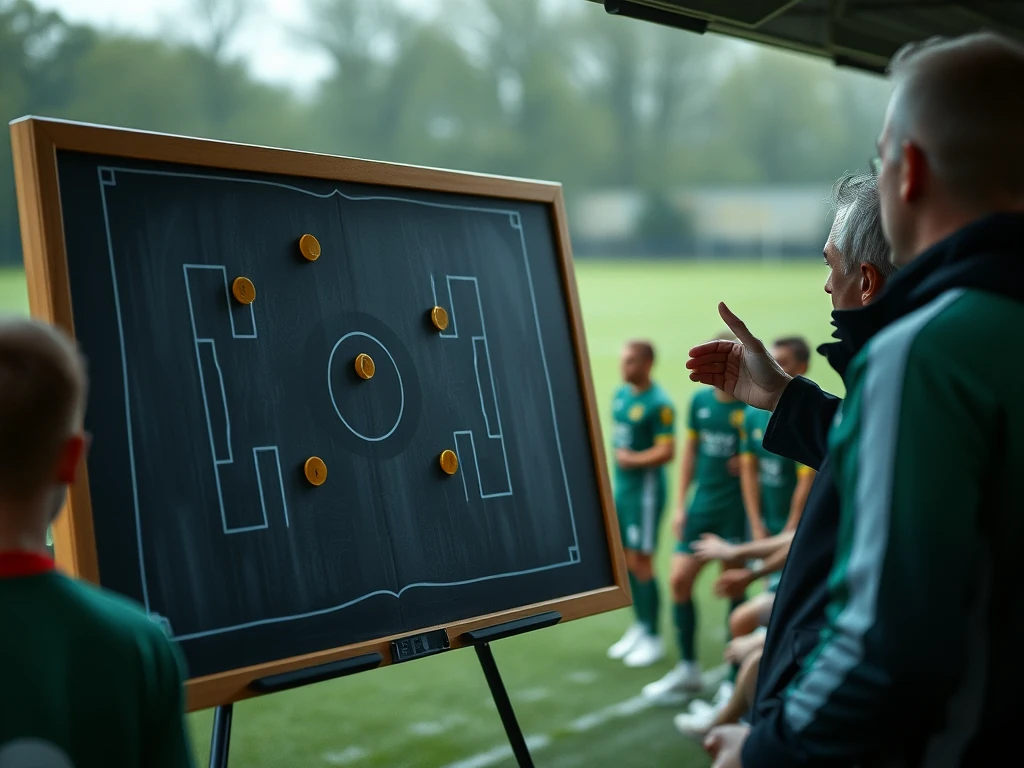
Under the guidance of the coaching staff, Shrewsbury has primarily employed a 4-2-3-1 formation. This setup has allowed for a solid defensive base while providing width through the flanks. However, as the season has unfolded, it has become evident that the midfield duo often lacks the dynamism required to support both defensive duties and attacking transitions effectively.
Suggested Tweaks
1. Midfield Reconfiguration A critical area for adjustment lies within the midfield. Transitioning to a 4-3-3 formation could provide greater balance and help control the match tempo. By introducing an additional central midfielder, Shrewsbury would benefit from enhanced ball retention, allowing for quicker transitions and better support for the forwards. This pivot could also facilitate a more aggressive pressing style, particularly against teams that struggle under pressure.
2. Utilizing Wing Play While the current formation does promote width, encouraging the wingers to cut inside more frequently could exploit defensive gaps. Players like A. H. Aiston have the capability to drive into central areas, thus creating space for overlapping full-backs. This tactical shift would not only increase goal-scoring opportunities but also make the attack less predictable.
3. Striker Role Adjustment The role of the striker is pivotal in any attacking setup. Shrewsbury could benefit from having a forward who can drop deeper to link play, allowing midfielders to make late runs into the box. This change would be particularly effective with the pace of the wingers, making it difficult for opposing defenders to track movement.
4. Defensive Coordination While the defence has shown resilience, there are moments of disorganization during transitions. Emphasizing a collective defensive strategy, perhaps through a more compact shape when out of possession, could help mitigate vulnerabilities. Encouraging the midfielders to track back more diligently can create a stronger barrier against counter-attacks.
Player Roles and Responsibilities
To implement these tactical adjustments successfully, clear communication of roles is essential. For instance, the more advanced central midfielder should possess strong passing abilities and tactical awareness to dictate play. Meanwhile, the wingers need to be encouraged to interchange positions, creating confusion for opposition defenders.
Conclusion
Shrewsbury Town has the potential to make significant strides in their performance by adopting these tactical tweaks. A reconfigured midfield, enhanced use of width, a versatile striker, and improved defensive coordination could harmonize their play, leading to more positive results as they aim for a successful campaign. As fans, we can look forward to seeing how these adjustments unfold in upcoming fixtures at The Croud Meadow.