
The Pronunciation Divide: A Local Quagmire
In Shrewsbury, a town steeped in history and culture, a peculiar debate has emerged: how do you pronounce the name of your hometown? Locals have found themselves split between two camps, with some insisting on 'Shroosbury' while others champion 'Shrowsbury.' This debate is more than a matter of phonetics; it speaks to the town's identity and cultural heritage. As the passionate discussions continue, it’s clear that the name of Shrewsbury carries deeper meanings for its residents.
Historical Context of Shrewsbury
To understand the pronunciation debate, one must first appreciate the rich history of Shrewsbury, a town that dates back to the 8th century. Originally known as Scrobbesbyrig, the name evolved over centuries, influenced by Anglo-Saxon and Norman conquests. The town's status as a market town and its picturesque setting along the River Severn have contributed to its cultural significance. As a hub for education, commerce, and local governance, the pronunciation of its name has become a source of pride-and contention.
The evolution of the name reflects changes in language and regional dialects. The pronunciation 'Shrewsbury' with a pronounced 'Shrew' has historical roots linked to the medieval play, The Taming of the Shrew, which references the term. Meanwhile, 'Shrowsbury' reflects a more phonetic interpretation, one that resonates with many locals, especially those who have lived in the area for generations.
The Social Media Explosion
The debate has gained traction on social media platforms, with residents passionately defending their preferred pronunciation. A recent video shared on Facebook encapsulates the divide, featuring locals expressing their views. Comments range from light-hearted banter to serious assertions about local identity. The online conversation has prompted many to reflect on what their pronunciation choice says about their connection to Shrewsbury.
In the digital age, these discussions can quickly spiral into larger conversations about regional pride. Residents posting videos and comments have sparked a renewed interest in local heritage, prompting many to dive deeper into the town's history and cultural significance. The debate has also drawn attention from outside the area, with curious individuals wanting to know more about the town and its unique identity.
What Residents Are Saying
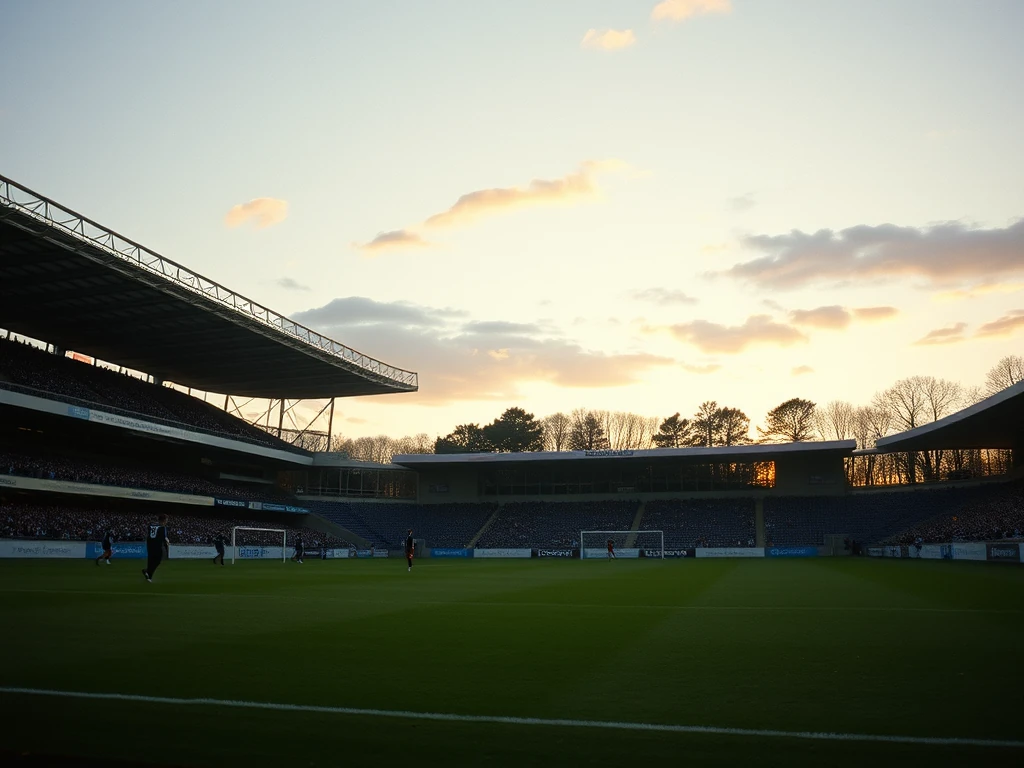
The opinions of Shrewsbury locals are as diverse as the town itself. Some argue that 'Shroosbury' is the traditional pronunciation, rooted in historical context, while others maintain that 'Shrowsbury' is more contemporary and reflects the way the name is naturally spoken. This division often leads to friendly debates at pubs, community gatherings, and even during football match days at New Meadow.
- Key opinions from locals:
- "It's ShREwsbury, no 'O' in it, just like the play!"
- "I grew up with 'Shrowsbury,' it’s how everyone around here says it."
- "Both pronunciations are fine, but I prefer 'Shrewsbury' because of its history."
These differing views highlight a fundamental question: what does it mean to be a resident of Shrewsbury? For many, the pronunciation is intertwined with community identity, reflecting the pride they take in their hometown.
Impact on Local Identity
The pronunciation debate has implications beyond mere semantics. It embodies the broader theme of regional identity in the face of globalization and standardization. As Shrewsbury continues to grow and evolve, maintaining its unique character becomes increasingly important. The way locals pronounce their town's name can be seen as a form of resistance against homogenization.
Moreover, this debate encourages community engagement. As residents discuss, debate, and celebrate their differences, they are fostering a sense of connection and belonging. The name becomes a rallying point, bringing people together in a shared appreciation for their local culture and history.
The Wider Context: Regional Accents and Dialects
The Shrewsbury pronunciation debate is part of a larger conversation about regional accents and dialects across England. Various towns and cities boast unique pronunciations that often reflect their history and cultural influences. In the case of Shrewsbury, the divergence in pronunciation can be seen as a microcosm of the English language's evolution, shaped by local customs and traditions.
Understanding these regional differences is crucial for celebrating the diversity of the English language. In a world where dialects can be marginalized, Shrewsbury serves as a reminder of the importance of preserving local speech patterns and the stories they tell.
What's Next
As the debate over Shrewsbury's pronunciation continues, residents can expect more discussions both online and offline. Community events and local forums will likely emerge as platforms for expressing opinions and celebrating the town's heritage. The fascination with the name may even inspire local businesses to incorporate the debate into their branding, further embedding it in the community's social fabric.
Ultimately, the way Shrewsbury is pronounced may evolve over time, but one thing remains certain: the spirited conversations around it will contribute to the town's rich tapestry of identity. Whether you pronounce it 'Shroosbury' or 'Shrowsbury,' the love for this historic town will always unite its residents.