
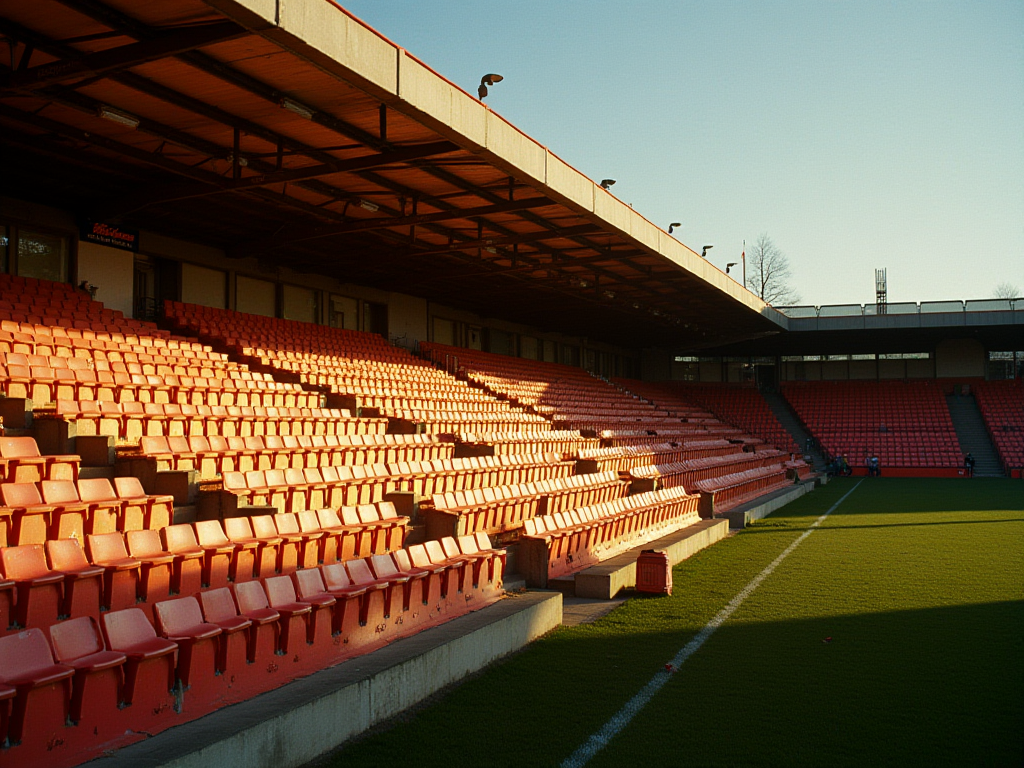
Tactical Tweaks for Shrewsbury: Finding the Right Balance
As Shrewsbury Town navigates the challenges of League Two, their recent performances have showcased both promise and areas needing attention. While the Shrews have displayed resilience, the tactical setup has often left them vulnerable against teams employing high pressing and quick transitions. A closer examination of their recent form reveals potential tweaks that could help restore balance and effectiveness on the pitch.
Formation Adjustments
Currently, Shrewsbury has been operating primarily in a 4-2-3-1 formation, which has its merits but can be exploited by more aggressive opponents. One potential adjustment is to shift to a more compact 4-4-2 or 4-3-3 formation, which could provide additional defensive cover and allow for quicker transitions into attack. This switch could see the return of two strikers up front, which would not only offer more support to the forward line but also create additional pressure on opposing defences.
Midfield Dynamics
In recent matches, the midfield has occasionally lacked the bite and creativity required to dominate possession. Introducing a more dynamic midfielder who can break up play and drive forward could be crucial. For instance, a player like Tom Bayliss, who possesses both tenacity and vision, could play a pivotal role in bridging the gap between defence and attack, allowing for more fluid movement and creating opportunities for the forwards.
Additionally, implementing a double pivot in the midfield could afford more security against counter-attacks. With two holding midfielders, Shrewsbury can maintain a solid base while allowing wing-backs to push higher up the pitch, providing width and stretching the opposition.
Exploiting Width
The Shrews have often relied on their wing-play to create chances, but the effectiveness of this strategy has fluctuated. By encouraging wider play and ensuring that the wingers stay close to the touchlines, the team can stretch the opposition's defence, creating gaps for central players to exploit. This could be particularly effective with players like Rekeil Pyke and Daniel Udoh, who can cut inside and add to the attacking threat.
Moreover, the full-backs should be encouraged to overlap and provide additional width, drawing defenders out of position and opening up space for others. This tactic can be especially beneficial in home matches at The Croud Meadow, where the crowd can energise the players and create a formidable atmosphere.
Defensive Resilience
Defensively, while Shrewsbury has shown moments of solidity, lapses in concentration have led to conceding unnecessary goals. A focus on improving communication among the back four and ensuring that players are aware of their roles during set-pieces can mitigate these issues. Furthermore, integrating a more aggressive pressing system could help regain possession higher up the pitch, reducing the defensive workload and enabling the team to dictate the pace of the game.
Conclusion
With the right tactical adjustments, Shrewsbury Town can enhance their performance in the upcoming fixtures. By exploring different formations, optimizing midfield dynamics, exploiting width, and bolstering defensive resilience, the Shrews can maximize their potential and continue their pursuit of success in League Two. The journey ahead promises to be challenging, but with these tweaks, Shrewsbury can find the right balance to secure crucial points and keep their playoff aspirations alive.