
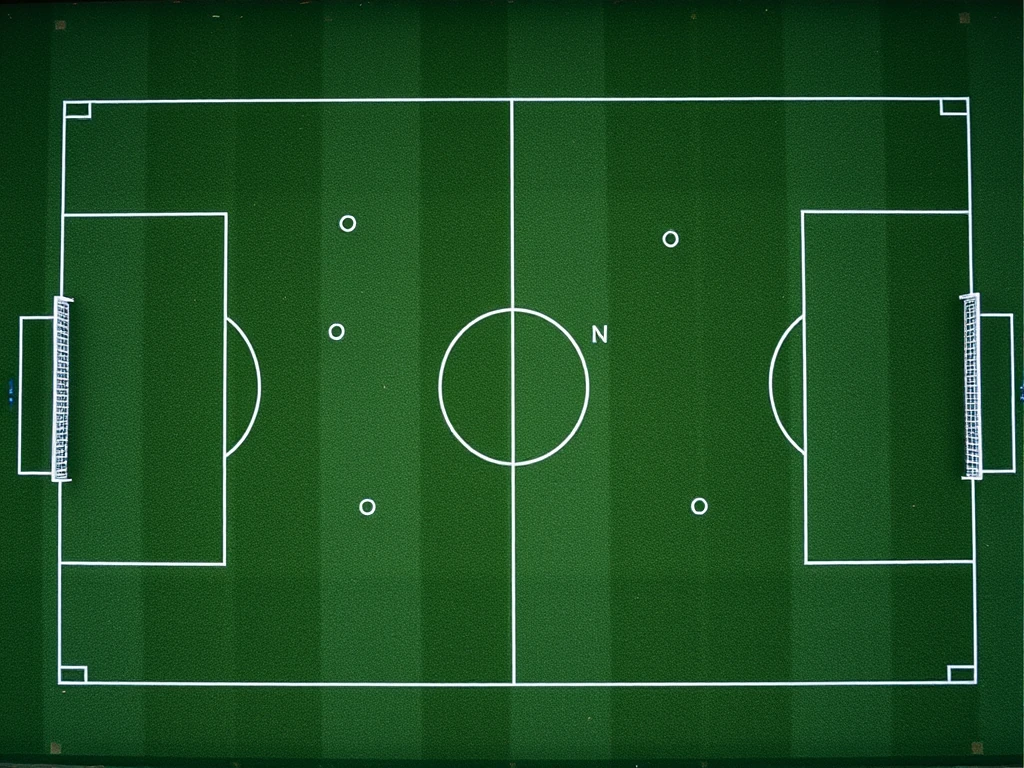
Statistically, Shrewsbury's formation has played a crucial role in their success this season. Currently, they often employ a 4-2-3-1 setup that allows flexibility in both attack and defense. This structure supports players like S. Clucas, who thrives in an advanced midfield role, orchestrating attacking moves while still providing defensive cover.
Against teams like Wrexham, the tactical execution becomes even more evident. Shrewsbury capitalize on quick counter-attacks, utilizing the pace of forwards such as H. Aiston and B. Ihionvien to exploit defensive gaps. The synergy between the attacking players enhances their chances of finding the back of the net. In their last match, their quick transitions caught the opposition off-guard multiple times, resulting in a well-deserved goal.
Defensively, the two holding midfielders shield the back four effectively, allowing the full-backs to join the attack without leaving the team exposed. This dual role is exemplified by Isaac England, who adeptly transitions between defensive duties and supporting the offense. His contributions have been key in several matches this season, contributing to Shrewsbury's four clean sheets over the last month.
Looking ahead, Shrewsbury's tactical approach will be tested as they face tougher opponents. However, the blend of youth and experience within the squad ensures they have the tools necessary to compete at a high level. Their adaptability will be vital, especially when introducing new strategies against teams that may study their patterns closely.
Fans are encouraged to watch closely as Shrewsbury seeks to solidify their position in League Two, with tactics continuing to evolve. On the pitch, they are not merely playing; they are creating a style that speaks to their identity in English football.